Al Mankhool is a dense, apartment-led residential neighbourhood in the middle of Bur Dubai. It sits beside BurJuman Mall, close to two metro stations, and within reach of Dubai Creek and the Al Fahidi Historical Neighbourhood. If you want a central base without Downtown or Marina rents, and you can live with busy streets, it deserves a serious look.
It is not a quiet villa suburb, and it does not try to be. This guide covers where Al Mankhool is, how to get around, what rents look like, which schools and clinics are nearby, and the trade-offs worth weighing before you sign a tenancy.
Where Is Al Mankhool and What Is It Like?
Location within Bur Dubai
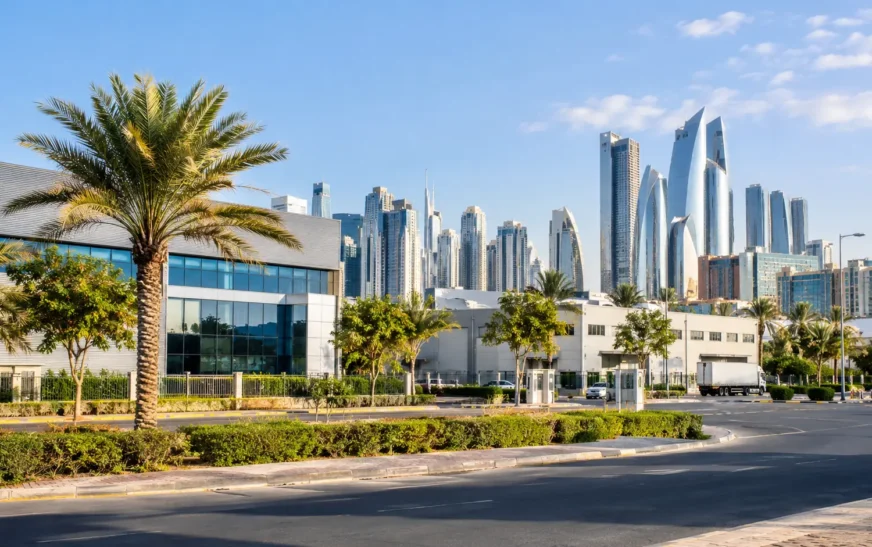
Al Mankhool is part of Bur Dubai, the historic side of Dubai on the western bank of the Creek. According to Property Finder’s area insights, it is bordered by Al Raffa, Al Karama and Oud Metha. That placement is the main reason people look at it: you are in the middle of the older city, with Sheikh Zayed Road, the Creek and the airport corridor all reachable without a long drive.
Size and character
The area is small and crowded. Bhomes describes it as covering just under 2 square kilometres, with roughly 45,500 residents. Treat that population figure as a third-party estimate rather than an official census number. What it does tell you is that this is a high-density district where most people live in mid-rise and high-rise apartment buildings.
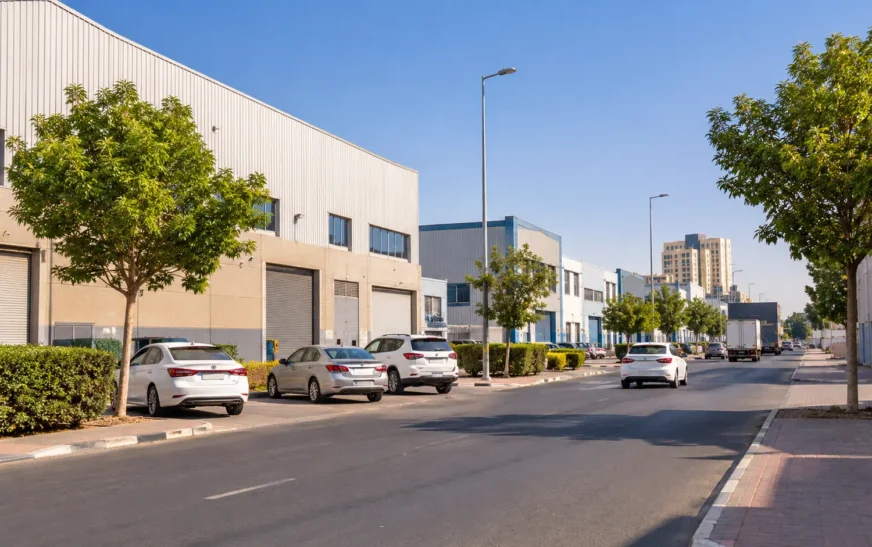
The feel is old Bur Dubai: mixed-use streets, clinics and pharmacies at ground level, small restaurants, banks and offices within walking distance. Property portals commonly describe a diverse expat population, with a large South Asian community. It is lived-in rather than polished, and that suits some people far more than a newer master-planned community.
Why People Choose Al Mankhool
The reasons tend to be practical rather than glamorous.
- Central access: Bur Dubai, Karama, Oud Metha and the Creek are all close.
- Metro and mall on the doorstep: BurJuman Mall and its metro station anchor the area.
- Relative affordability: Bhomes notes that rent in many parts of Bur Dubai stays below levels in Downtown Dubai or Dubai Marina.
- Everyday services nearby: Pharmacies, clinics, supermarkets, restaurants and banks are packed into a small footprint.
- Easy to live without a car: Many errands can be done on foot or by metro, though summer heat affects that, as it does everywhere in the UAE.
Getting Around Al Mankhool
Metro and public transport
Property Finder describes Al Mankhool as close to BurJuman Mall and two metro stations. BurJuman is the better-known one and serves as an interchange between Dubai Metro’s Red and Green lines, while ADCB station sits nearby. Confirm the current network map and station names on the RTA website before choosing a building, since walking distance to a station varies a lot from one street to the next.
Buses and taxis are also easy to find, which helps for trips the metro does not cover well.
Roads, traffic and parking
Connectivity is a strength, but so is congestion. Square Yards lists traffic and limited parking among the area’s drawbacks, which matches what you would expect in a dense district built before most households owned multiple cars. If you own a car, ask the landlord or building management whether a parking space is included, whether visitor parking exists, and what any extra bay costs. Do not assume it.
Housing and Rent in Al Mankhool
What you can rent or buy
Al Mankhool is overwhelmingly apartments, from studios to larger family units. Buildings named in current listings include Golden Sands, Silver Sands, Siraj Building, Jamal Al Ghurair and M Square Residence, along with serviced and hotel apartments such as those in DoubleTree by Hilton. Commercial space, including offices in BurJuman Business Tower, also appears in the area.
Rent snapshot
The figures below are asking prices from portal listings at the time of my research, not averages or guaranteed rents. They vary by building age, floor, view and furnishing, and they move quickly.
| Unit type | Example asking rent (AED per year) | Example size |
| 1-bedroom | About 70,000 (M Square Residence) | About 646 sq ft |
| 2-bedroom | About 88,000 to 115,000 (Golden Sands, Waves Residences) | About 1,000 to 1,460 sq ft |
| 3-bedroom | About 148,000 to 150,000 (Golden Sands 9) | About 1,788 sq ft |
Use these as a rough sense of scale only. Check the live market before negotiating.
Rental yields for buyers
Bhomes reports an average apartment rental yield of about 7.5% for Bur Dubai as a whole. That is a district-wide figure, not Al Mankhool alone, and past yields do not guarantee future returns. Anyone buying should compare recent sale prices in the specific building, check service charges, and consider speaking to a licensed adviser.
Before you sign a tenancy
- Check the rent against Dubai Land Department’s rental index tools for similar units.
- Make sure the contract will be registered through Ejari, which is required for tenancies in Dubai.
- Ask who pays for district cooling (chiller) and whether it is included. One listing in this area advertises free chiller, which shows how much this varies.
- Look at water pressure, lifts, and maintenance response times in person rather than relying on photos.
- Visit at both rush hour and evening to judge noise, traffic and parking.
Schools, Nurseries and Healthcare
Education
The picture is mixed. Bhomes lists nurseries in the area, including British EYFS settings such as Little Diamond Nursery and Chubby Cheeks Nursery, and shows Ambassador School (Mankhool), which follows an Indian curriculum, among the schools in and around Bur Dubai. Square Yards, on the other hand, lists a lack of good schools among its drawbacks.
That difference is a good reminder to check primary sources. Look up current inspection ratings on the KHDA website and measure the actual commute, because many families in central Dubai send children to schools in neighbouring districts.
Healthcare and pharmacies
Healthcare access is one of the area’s quieter strengths. Driven Properties lists Al Mankhool Health Centre among nearby clinics. Bhomes mentions Medeor 24×7 Hospital near the Al Raffa side, along with several pharmacy branches, including Aster Pharmacy and LIFE Pharmacy. Verify opening hours and insurance acceptance directly before relying on any facility.
Food, Shopping and Daily Life
BurJuman Mall is the obvious retail anchor, but much of daily life happens on the streets around it. Property Finder highlights local restaurants such as Bab Al Mankhool Restaurant and Saarangaa Bhojan Shala, and the district offers a wide mix of South Asian, Arab and international food at a range of prices. Taste and quality vary, so use recent reviews and your own visits rather than any single list.
For quiet time, the Al Mankhool branch of Dubai Public Library, managed by Dubai Culture, is a useful local amenity. Property Finder gives its hours as Sunday to Thursday, 8 am to 8 pm, and Friday, 8 am to 12 pm. Confirm these before visiting, since hours can change. For green space and larger attractions, Zabeel Park, Dubai Frame and the Al Fahidi district are within a short ride.
Pros and Cons of Living in Al Mankhool
| Advantages | Drawbacks |
| Central position with quick access to the Creek, Karama and Oud Metha | Traffic congestion at busy times |
| Metro and BurJuman Mall close by | Limited parking in many older buildings |
| Generally lower rents than Downtown or Marina | Fewer entertainment venues than newer districts |
| Dense mix of clinics, pharmacies, shops and restaurants | Mixed views on school options within the area |
| Diverse, established community | Not suited to anyone wanting quiet, villa-style living |
The drawbacks and advantages above combine the area-guide commentary from Square Yards, Bhomes and Property Finder with general expectations for a dense urban district. They are not the result of a resident survey.
Who Is Al Mankhool Best For?
It tends to work well for:
- Single professionals and couples who want a short commute and easy metro access.
- Families on a moderate budget who value central services over space and greenery.
- Anyone working in or near Bur Dubai, Karama, Oud Metha or Sheikh Zayed Road.
- Renters who prefer an established neighbourhood to a newly built community.
It is a weaker fit for people who want a large garden, strong sound insulation from street life, or a car-free lifestyle with extensive green space on the doorstep.
Common Mistakes When Choosing a Home Here
- Judging by the building name: Quality differs widely between buildings with similar prices. View the actual unit.
- Ignoring the walk to the metro: A station that looks close on a map may be a hot, crowded walk in July.
- Forgetting cooling costs: District cooling charges can change the real monthly cost significantly.
- Assuming parking is included: Always confirm in writing.
- Relying on old figures: Rents, yields and facilities change. Check current sources before deciding.
Frequently Asked Questions
Is Al Mankhool a good area to live in?
It is a good option if you value a central location, public transport and nearby services, and can accept traffic, limited parking and busy streets. It is less suitable if you want a quiet or spacious setting.
Where is Al Mankhool in Dubai?
It is in Bur Dubai, bordered by Al Raffa, Al Karama and Oud Metha, close to BurJuman Mall and the Creek side of the city.
Is Al Mankhool near the metro?
Yes. It is close to BurJuman metro station and a second nearby station, ADCB. Check the exact walking distance from the specific building you are considering.
Is Al Mankhool cheaper than Downtown Dubai or Dubai Marina?
Generally yes, according to area guides covering Bur Dubai, although prices depend on the building and unit. Compare live listings for like-for-like apartments.
Is Al Mankhool good for families?
It can be, particularly for families who prioritise convenience and affordability. Research schools carefully, check KHDA ratings, and confirm commute times and parking before committing.
Conclusion
Al Mankhool offers a practical, central way to live in Dubai: a short distance from the Creek and the metro, with clinics, shops and restaurants close at hand, and rents that are often easier to manage than in the city’s newer showpiece districts. The trade-offs are real, especially traffic, parking and density.
The best next step is to shortlist two or three buildings, visit them at different times of day, and compare current asking rents against the rental index before negotiating. For more neighbourhood comparisons, explore the other Dubai area guides on Khaleej Edge.