
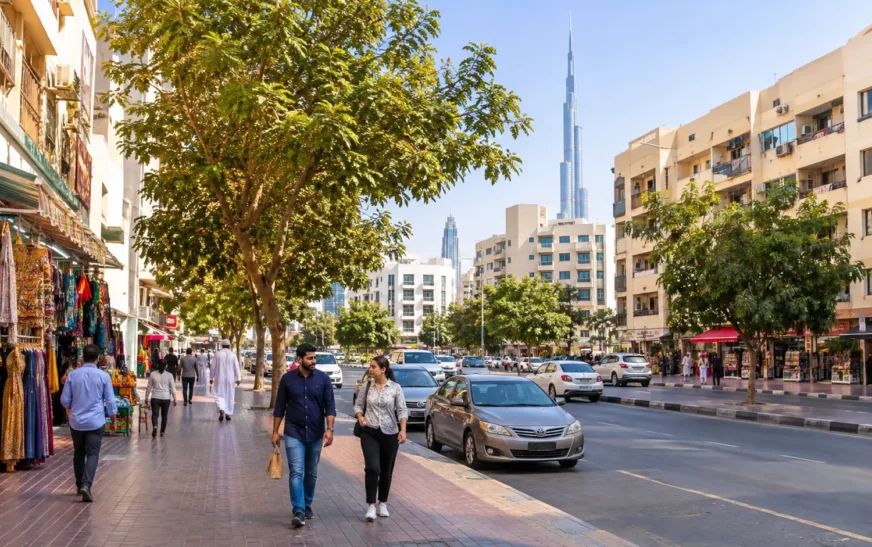
Day to Day Al Karama is busy, walkable and relatively affordable by Dubai standards. It runs on small shops, short walks to the metro, cheap and varied meals, and a mix of nationalities that gives the district its character. It is older Dubai: dense, practical and lived-in rather than polished.
This guide covers how a typical day unfolds, how people get around, where they shop and eat, what housing generally involves, and the trade-offs to weigh before choosing the area. It is written for prospective residents, new arrivals and curious visitors.
Where Al Karama Sits and Who Lives There
Al Karama is part of Bur Dubai, on the Dubai side of the Creek. It is one of the city’s older residential and commercial districts, and it has long been associated with a multicultural community. Many of its residents are Indian, Pakistani and Filipino, and the area is described as buzzing day and night.
That mix shapes everything: the languages on shop signs, the food on offer, the tailoring and courier services on nearly every block, and the pace of the streets. The district also sits close to Oud Metha, Mankhool, Zabeel Park and Dubai Creek, so many “outside Karama” errands are only a short ride away.
A Typical Day to Day Al Karama
No two households run alike, but the rhythm below reflects how the neighbourhood is generally used.
Morning: Commuting and Quick Errands
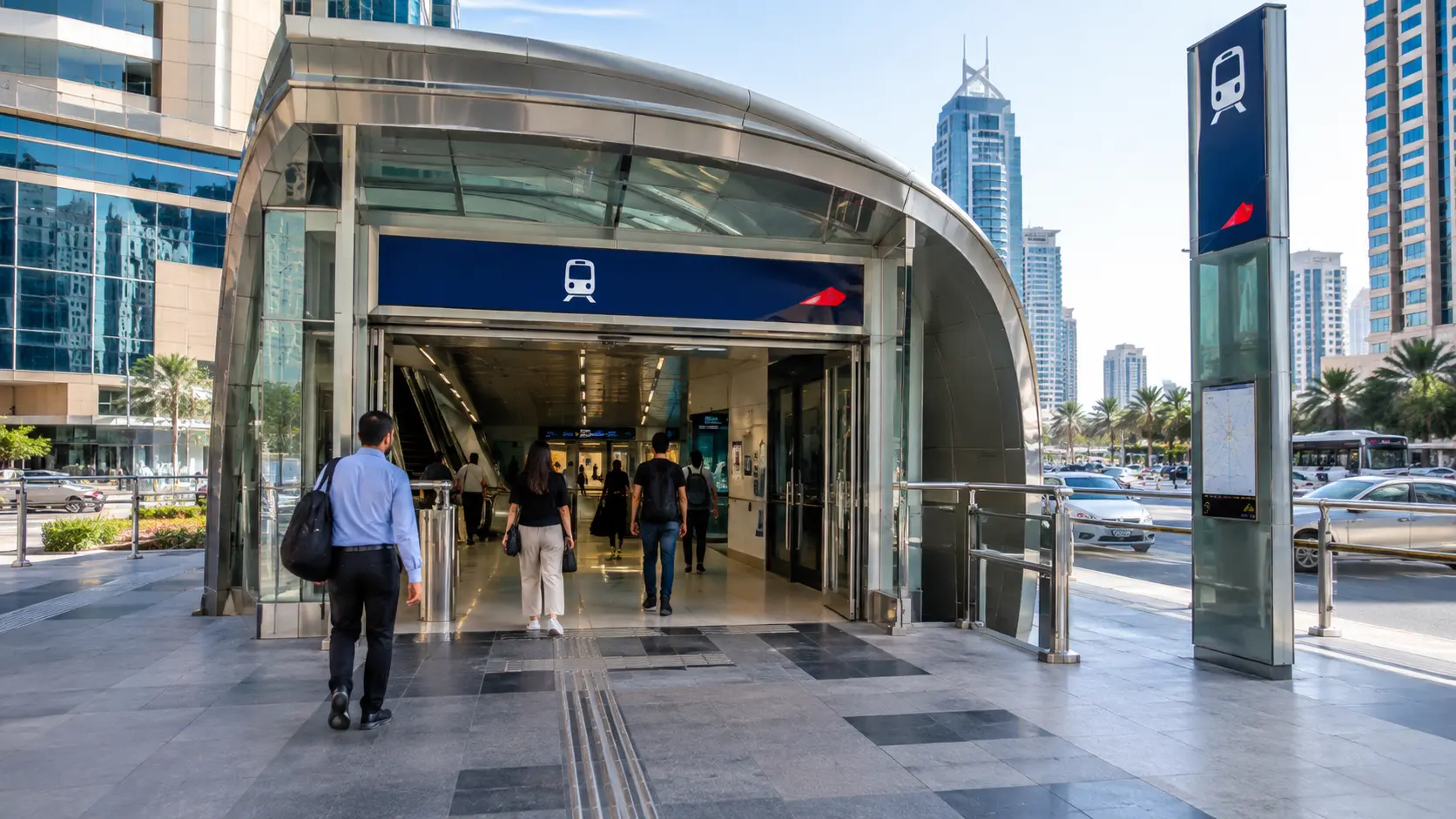
Mornings tend to start with a walk to the metro or bus. Karama is dense and compact, so many residents reach a station on foot, grab breakfast from a nearby café or bakery, and pick up small necessities on the way. Pharmacies, mini-markets and laundry shops are rarely more than a few minutes’ walk from any residential block.
If you work from home, the area’s many small cafés and food outlets double as informal meeting spots. Standards and Wi-Fi vary from place to place, so test a spot before relying on it.
Midday: Practical Services
Midday is often when people handle practical tasks. Karama Centre is known for clinics, courier services and tailoring shops, which makes it handy for everyday errands. Alterations, visa-related paperwork support, phone repairs and parcel dispatch all tend to be available at modest prices within a short distance.
Lunch is where the neighbourhood shines for budget-conscious diners. Many small restaurants serve set meals aimed at nearby office workers.
Evening: Food, Parks and Shopping
Evenings are social. Families visit parks, friends meet over dinner, and shoppers drift through the markets. Because the area is mixed-use, streets stay lively well after sunset. If you prefer quiet evenings, check the specific street before you commit to renting: a block facing a main road or shopping strip feels very different from one tucked inside a residential pocket.
Getting Around Al Karama
One of the strongest practical arguments for the area is transport. You can live here without a car, though some people keep one for weekend trips.
Metro
The ADCB station, formerly named Al Karama, is on the Red Line and serves the district. It opened in 2010 and was renamed in September 2014. Some residents still call it “Karama metro” out of habit, so expect both names in conversation and on older maps.
BurJuman station is the other key stop. It is a transfer point between the Red and Green Lines. That is useful if you need to reach Bur Dubai’s heritage areas, Deira or Dubai Healthcare City.
Bus
Al Karama Bus Station serves routes towards Dubai Silicon Oasis, Abu Hail and Sharjah. It is a 5–10 minute walk from ADCB or BurJuman metro stations. Check current routes and timetables on the RTA website or app, as services are revised periodically.
Quick Comparison
| Option | Best for | Things to know |
| Metro (Red Line from ADCB) | Commuting along Sheikh Zayed Road and to the airport | Walkable from much of Karama; check station exits before travelling |
| Metro (Green Line from BurJuman) | Bur Dubai, Deira, Healthcare City | Requires a short transfer or walk from Karama |
| Bus | Sharjah, Abu Hail, Silicon Oasis | Slower at peak hours; verify current routes with RTA |
| Taxi or ride-hailing | Late nights, heavy shopping | Fares vary; peak-hour traffic around the market can be slow |
| Walking | Errands, meals, parks | Pavements can be crowded in the evenings |
Parking is the main frustration for drivers. Street parking is paid and fills quickly near the markets, so allow extra time or use public transport for shopping trips.
Shopping: Karama Market and Everyday Needs
Karama’s retail scene has two layers: tourist-facing markets and neighbourhood stores for daily life.
Karama Market (Karama Shopping Complex)
The market is the area’s best-known landmark. It is reported to hold more than 300 shops across several buildings. The names Karama Shopping Complex, Karama Centre and Karama Market are often used interchangeably for the same general shopping area. Expect narrow aisles, small independent stalls, and goods ranging from clothing and perfumes to souvenirs.
A few habits make the experience smoother:
- Bring some cash: Many shops accept cards, but cash is often preferred, and smaller notes make bargaining easier.
- Compare before you buy: Similar items appear at several stalls, and prices can differ noticeably.
- Negotiate politely: Friendly haggling is part of the culture; aggressive tactics rarely help.
- Be careful with brand claims: Imitation branded goods are sold in some markets, and selling counterfeits is illegal in the UAE. If authenticity matters, buy from official retailers.
Daily Shopping
For groceries, residents use neighbourhood supermarkets and mini-markets. Karama Park is described as being opposite a LuLu Supermarket, which gives a sense of how closely shopping and leisure sit together here. Al Attar Shopping Mall offers a mid-sized alternative with electronics, clothing and food outlets.
Eating in Al Karama
Food is a major reason people choose or visit the area. Karama’s eateries are often praised for offering a different taste of Dubai. Because of the community mix, you can find South Asian, Filipino, Arab and East African cooking within walking distance of one another.
I have not tested individual restaurants, so I will not name favourites. A few general approaches help:
- Look for places with steady local queues at mealtimes.
- Ask neighbours and colleagues for recommendations. Word of mouth works well in this district.
- Check recent reviews, since small restaurants change ownership and quality over time.
- Confirm prices on the menu or order board before ordering.
Lunch deals and set meals are common, and eating out regularly is typically cheaper here than in Dubai’s newer areas.
Parks, Leisure and Weekend Options
Karama is not a resort area, but it has green spaces and day-out options nearby.
Karama Park is the most convenient. It is at the junction of 16B Street and 27B Street, and entry is free. It suits picnics, evening walks, children’s play and casual cricket.
Zabeel Park is a short trip away. It is described as one of Dubai’s largest parks and is home to the Dubai Frame. Ticketed attractions, jogging tracks and events change over time, so check current details before going.
Dubai Creek and the heritage districts of Bur Dubai are also close, making weekend walks, abra rides and café stops easy to organise without a long journey.
Housing and Cost of Living
Karama attracts people who want central access without paying premium-area rents.
Rent
Rents depend heavily on building age, size, condition and floor. One overview of transport-friendly areas put the average flat rent near ADCB Metro Station at around AED 64,000 per year. Treat that as a rough reference only; it is a snapshot from an article, and market prices move. Check live listings on a major property portal, and use the Dubai Land Department’s rental tools to compare against typical ranges before signing a lease.
When viewing a property, ask about:
- The cheque schedule and any extra fees.
- Chiller (air-conditioning) charges: whether they are included or billed separately.
- Building maintenance, lift reliability and water pressure.
- Parking availability, if you own a car.
- Noise levels at different times of day.
Daily Costs
The biggest savings usually come from transport, since a car is optional, and from food. Groceries, laundry, tailoring and small services also tend to be inexpensive. Your actual budget will depend on lifestyle, so track your first two months of spending rather than relying on averages.
Advantages and Drawbacks
| Advantages | Drawbacks |
| Central location with metro and bus access | Streets and parking can be congested |
| Wide variety of affordable food | Older buildings may have uneven maintenance |
| Walkable errands and services | Evening noise around busy streets |
| Strong multicultural community | Fewer luxury amenities than newer districts |
| Parks and attractions nearby | Market crowds on weekends and holidays |
Practical Tips for New Residents
- Get a Nol card early: It covers the metro and buses.
- Walk the neighbourhood at different times before renting: morning rush, midday and a weekend evening.
- Check building age and maintenance reputation, not just rent.
- Keep small cash on hand for markets and small eateries.
- Use official channels (RTA, Dubai Land Department) for transport and rental information.
- Plan market visits for weekday daytime if you dislike crowds.
Frequently Asked Questions
Is Al Karama a good place to live?
It suits people who value a central location, public transport and affordable daily life more than modern amenities. It may feel too busy for those wanting a quiet, resort-style setting.
Can you live in Karama without a car?
Yes, for most routines. The Red Line at ADCB, the BurJuman interchange and Al Karama Bus Station cover many journeys, and daily errands are walkable.
Is Karama Market worth visiting?
Yes, if you enjoy bargaining and browsing independent shops. Go with a rough idea of what you want, bring some cash and compare prices before buying.
How do you get to Karama by metro?
Use ADCB (Red Line, formerly Al Karama) or BurJuman, which also connects to the Green Line. Both are within walking distance of much of the district.
Is Karama safe?
Dubai has a strong overall reputation for public safety, but I have not found a verified neighbourhood-level statistic to cite. As anywhere busy, keep valuables secure in crowded markets and check current guidance from Dubai Police.
Conclusion
Day to day life in Al Karama is shaped by convenience: a short walk to transport, inexpensive meals, services on every corner and parks within reach. The trade-offs are real, including older buildings, crowds and limited parking, but for many people they are worth it.
If you are considering a move, spend a few days walking the area at different hours, and compare at least a few buildings before committing. If you are visiting, pair a market trip with a meal and a stroll in Karama Park or a short ride to Zabeel Park.