
Keeping tabs on precious metals and currency rates is a daily routine for a lot of folks living, investing, or running businesses across the GCC. Because the UAE Dirham (AED) is officially pegged to the US Dollar (USD), the gold prices you see in the shops and the foreign exchange numbers on your screen tend to dance to the exact same tune as global economic shifts, inflation reports, and central bank decisions.
Whether you are checking the markets for yourself or putting together financial updates for your readers over at Khaleej Newswire Gold & Forex Rates, understanding how spot prices, currency conversions, and gold purities all tie together makes it a lot easier to explain things in a way that actually makes sense.
1. How Gold Prices Actually Work in the UAE
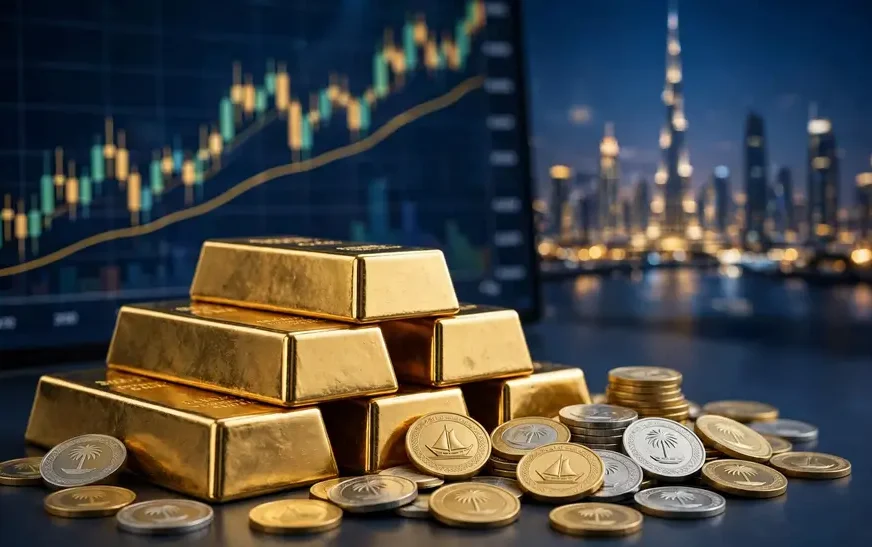
Gold is practically woven into the culture and economy of the Emirates—famous hubs like the Dubai Gold Souk are world-renowned international trading spots. When you walk into a store, the price you pay isn’t just pulled out of thin air; it comes down to a few key pieces:
- The Global Spot Price: Gold trades globally by the troy ounce (roughly 31.10 grams) in US dollars. Local markets take that live baseline and convert it straight into AED.
- Purity (Karats): You’ll see gold sold in different karats across the UAE. 24-karat (24k) is pure gold, while 22k, 18k, and 21k are mixed with a bit of other metals to make the pieces sturdy enough for everyday jewelry.
- Making Charges & Taxes: While raw bullion bars or coins sit pretty close to the actual spot value, jewelry comes with “making charges” for the craftsmanship, plus a standard 5% UAE VAT.
2. The Teeter-Totter Relationship Between Forex and Gold
Gold and foreign exchange markets have a very close, reactive relationship. If you’re trading or investing in the GCC, keeping an eye on currency pairs is just as important as watching the metal ticker:
- The Dollar Strength Factor: Because gold is priced globally in US dollars, a weaker dollar makes gold a bargain for anyone holding other currencies, which usually drives global demand and spot prices up. On the flip side, a booming dollar tends to weigh gold down.
- The Perks of the AED Peg: Since 1 USD equals roughly 3.6725 AED, local gold buyers in the UAE enjoy complete currency stability against the dollar. You don’t have to stress about the wild currency swings that hit buyers in other emerging markets.
- Pairs to Watch: Folks tracking commodity economies often keep a close eye on pairs like USD/AED, EUR/USD, and GBP/USD to see where big money is moving.
3. What Actually Moves the Needle on Rates?
Market rates don’t sit still for long. During active trading hours, a few major macroeconomic drivers are constantly pushing prices around:
- Interest Rates & Central Banks: Whenever the US Federal Reserve talks about cutting or hiking interest rates, gold reacts instantly. Lower rates mean cash and bonds aren’t paying as much, making non-yielding assets like gold look much more appealing.
- Geopolitical Drama: When things get tense or uncertain around the world, investors naturally run toward safe-haven assets. That usually sends both gold spot prices and safe currencies climbing.
- Inflation Protection: Plenty of buyers use gold as an old-school shield against currency devaluation and creeping inflation.
Frequently Asked Questions
1. Where can I check live gold and forex rates in the UAE?
You can track daily market updates, live spot prices, and currency overviews directly on financial community pages.
2. How is the UAE Dirham tied to the US Dollar?
The UAE Dirham (AED) has a fixed peg to the US Dollar at roughly 3.6725 AED per 1 USD, which keeps trade and local retail pricing wonderfully stable.
3. What is the real difference between 24k and 22k gold?
24-karat gold is 99.9% pure. 22-karat gold is about 91.6% pure, with a little silver or copper mixed in so the jewelry doesn’t bend or scratch as easily.
4. Does the UAE charge VAT on gold?
Yes, retail jewelry comes with a 5% Value-Added Tax. However, investment-grade gold bullion and coins (99% purity and above) often qualify for specific tax exemptions under UAE rules.
5. Why does the global gold price change second by second?
Gold trades around the clock on major international exchanges (like COMEX and the London Bullion Market Association) during the week, reacting instantly to breaking news, economic data, and supply-demand shifts.
6. Is gold a good way to fight inflation in the UAE?
Historically, yes. Gold has done a great job holding its purchasing power over the long haul, making it a favorite for people wanting to protect their savings.
7. What exactly is a “troy ounce”?
It is the standard international unit of weight for precious metals, equal to exactly 31.1034768 grams.
8. How do US interest rates influence gold?
When US rates go down, traditional savings and bonds pay lower returns. That pushes investors toward gold, driving up its price.
9. Can everyday shoppers buy pure gold bars in Dubai?
Definitely. Certified refineries and bullion dealers all over the UAE sell 24k gold bars and coins in sizes ranging from a single gram up to a full kilogram.
10. How can I keep an eye on currencies and gold at the same time?
Most financial portals and trading apps offer real-time charts that pair commodity spot feeds with major forex cross-rates so you can see the whole economic picture at once.